Reflecting with your employees on their performance, achievements, and professional development is a key element of any manager’s role. In many cases, these talks are spontaneous and unplanned – at so-called ‘water cooler’ moments. But in organisations, we also arrange formal moments such as performance reviews, assessment interviews, feedback rounds, and so on.
These conversations are important on a number of levels. Not only do they impact people’s wellbeing and performance, they can also foster mutual connection and cooperation and (ultimately) benefit the functioning of your team or organisation. So, how do you go about conducting such meetings effectively?
Both employees and managers take these formal performance and development talks seriously, but also sometimes grumble about them, especially when they have become a bit of a chore or feel more like ‘tickbox’ moments that actually generate little energy.
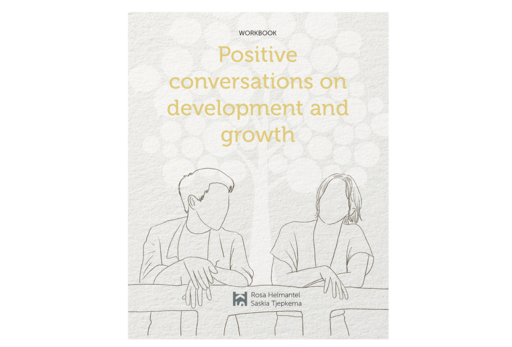
A couple of years ago, we decided to compile a workbook with our favourite techniques and theories that can help create lively and productive ‘good conversations’ that leave both parties feeling energised and lead to practical intentions. It is now a much-used resource in leadership programmes and workshops. We have now translated this workbook into English.
This free-to-download workbook contains:
- inspiration from Positive Psychology, such as the concept of strengths based development and the ‘broaden and build’ theory
- some background on growth mindset and effective feedback (and how it works)
- lots of questions and interview techniques, so that everyone can find some that fit their own style
- concrete sample interviews: how do you apply an Appreciative Inquiry approach in different situations? For example if someone’s performance is below expectations? Or when someone is a high-performer?
You can download the PDF here.